El Cap is Lost and Found for Dirtbags
Sometimes, gravity is the bringer of gifts
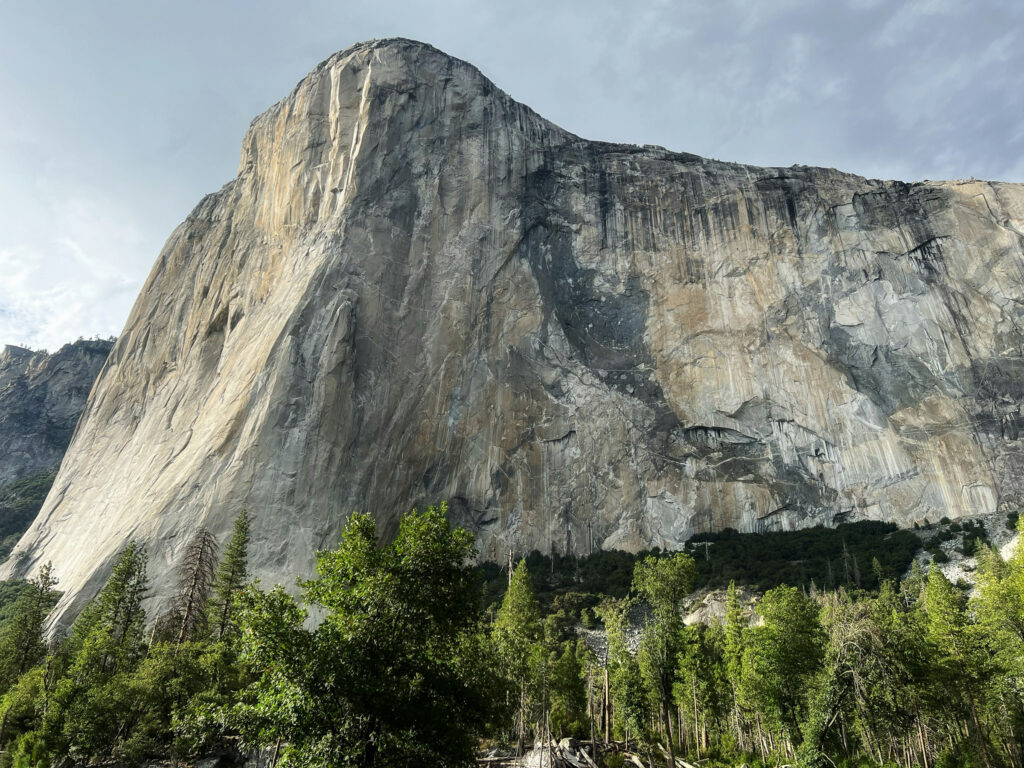
The speed record for climbing Yosemite National Park’s Nose route on El Capitan is just under two hours (set by, surprise, Tommy Caldwell and Alex Honnold), but most teams tackling the world’s greatest big wall spend four to six days scaling its three thousand feet. That means they also have to haul four to six days of everything they could possibly need—water, food, clothing, shelter, etc.—dragging every single ounce skyward in a fight against gravity.
Often, gravity wins. During his historic Dawn Wall first free ascent in 2015, Caldwell dropped his phone—the third he’s lost in Yosemite. Climbing hardware is another common victim, and pretty much anything that can be dropped has been dropped. (In the early days, climbers who had to go number two simply went; later, they did their business in bags and then tossed the bags down.)
Sometimes the treasures that land at the base of El Cap are returned to their owners, but more often they become wall booty, a.k.a., finders keepers. British alpinist Andy Kirkpatrick, whose many El Cap ascents include a half-dozen solos, tells a story of a scavenger who made a semi-living from such booty.
“I once met a climber who braved the rain of shit bags by living at the base of the wall, claiming that everything a man could ever want fell there: food, climbing gear, water, even the odd wallet, sleeping bag, and fully packed haul bag. He said all you needed was to pray for it and the next day it would appear. This high-risk but lonely life seemed to work for him, and he lived there for years, until a female BASE jumper smashed into the ground from half a mile up after her parachute failed to open. After that he moved on.
“I suppose you have to be careful what you wish for.”