No. 0450
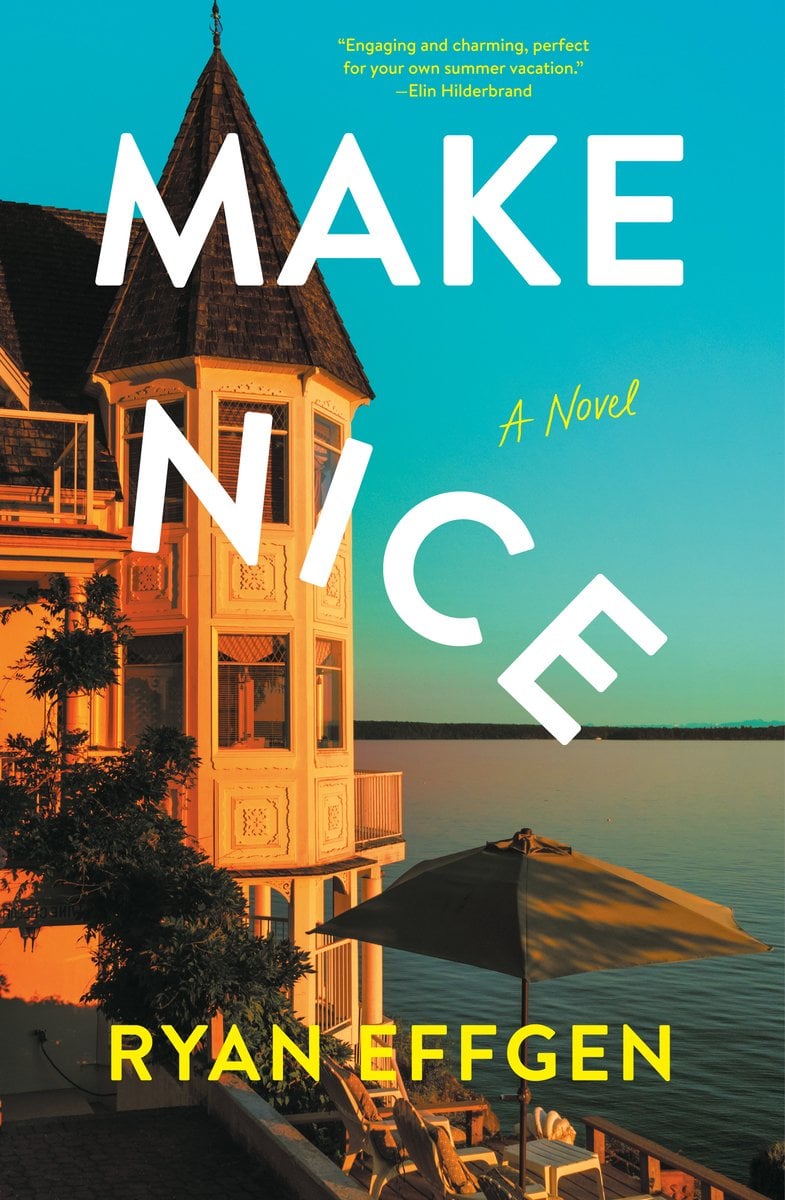
Book · No fixed address
Ryan Effgen
Three generations of the Pickford family land on Mackinac Island for one more week together: A snail scientist studying an invasive species, his sister on the way out of a marriage, her teenage daughter, the wayward brother, and the father…
No. 0449
Book · No fixed address
Junichiro Tanizaki
An essay from 1933 about what electric light did to Japanese aesthetics. Tanizaki argues that Japanese beauty was built for dimness — lacquerware designed to catch a single flame, gold leaf that only works in a dark room, the recess…

No. 0448
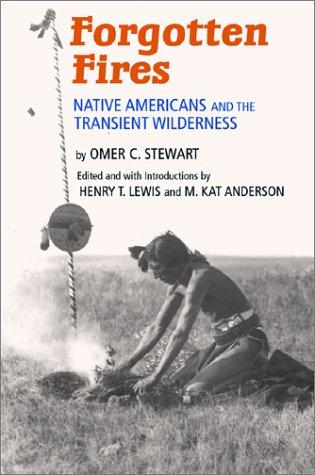
Book · No fixed address
Omer Stewart
Omer Stewart wrote this in the 1950s and nobody would publish it. His claim was that the pristine wilderness the pioneers walked into wasn’t pristine at all — Native people had been burning it on purpose for thousands of years,…
No. 0447
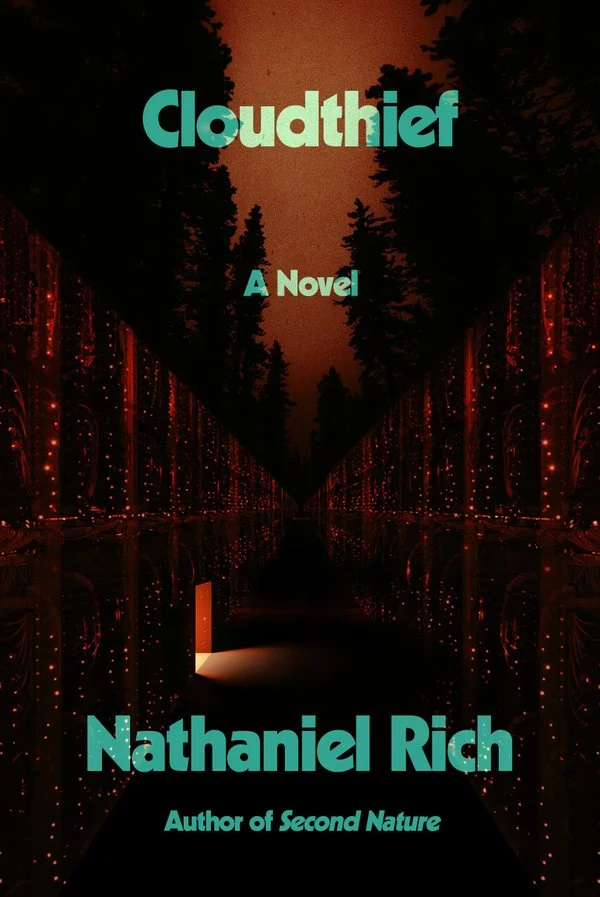
Book · No fixed address
Nathaniel Rich
Forget banks. The real vault is a data center — endless rows of drives holding everybody’s private business, sitting in a windowless building nobody guards like a bank. Tim is a climate reporter worn out from writing the end of…
No. 0446
Book · No fixed address
Mick Herron
Ninth in the Slough House run, where MI5 parks the agents it can’t fire — bad spies serving out their careers shuffling paper under Jackson Lamb, who is filthy, cruel, and smarter than everybody. River Cartwright is off duty waiting…

No. 0445
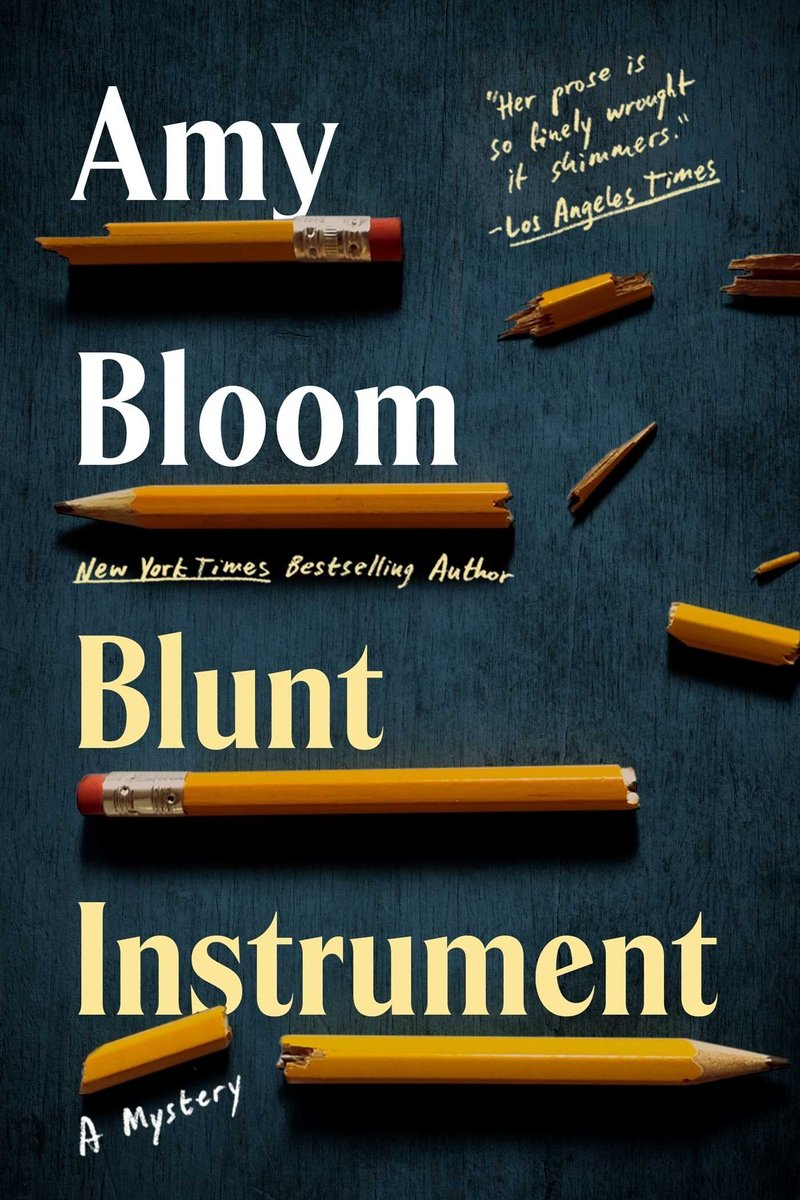
Book · No fixed address
Amy Bloom
Amy Bloom spent a career on literary novels and memoir, taught writing at Wesleyan, works as a psychotherapist, and then at this point in her life decided to write a detective novel. An old professor at a fancy East Coast…
No. 0444
Book · No fixed address
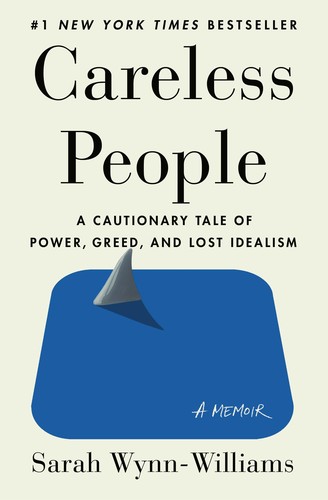
Sarah Wynn-Williams
Wynn-Williams was a New Zealand diplomat who talked her way into a job at Facebook in 2011 because she believed the thing could do some good in the world. She stayed seven years running global public policy, in the room…
No. 0443
Book · No fixed address
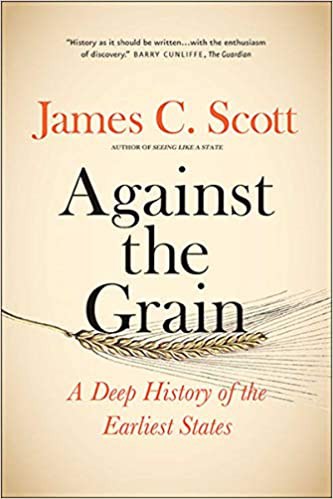
James C. Scott
Everybody knows the story: People figure out farming, settle down, build cities, and civilization takes it from there. Scott, an anthropologist and political scientist at Yale who spent his life studying how regular people dodge governments, points out the timeline…
No. 0442
Book · No fixed address
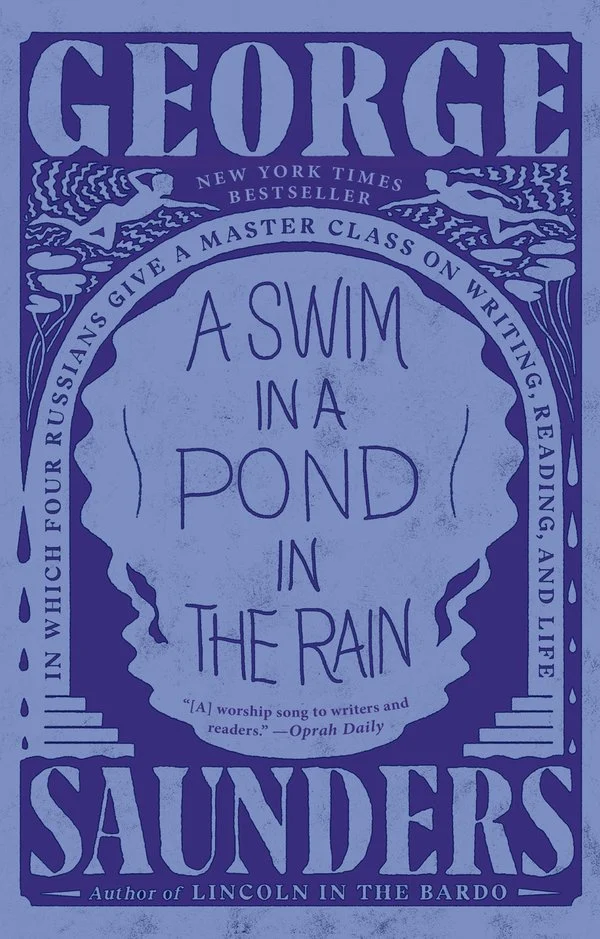
George Saunders
George Saunders taught a class on the nineteenth-century Russian short story at Syracuse for twenty years, and this book is that class on the page. Seven stories in translation, three by Chekhov and the rest by Turgenev, Tolstoy, and Gogol,…
No. 0441
Book · No fixed address
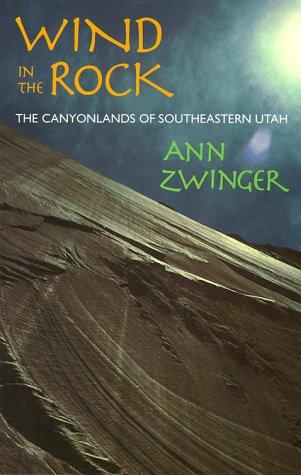
Ann Zwinger
Five canyons on Cedar Mesa in southeast Utah — Grand Gulch, Slickhorn, Johns, Fish, and Owl — walked and camped and described by a naturalist who was also a fine draftswoman. Zwinger works the geology and the plants and the…
No. 0440
Book · No fixed address
Katie Woodward
Light is what makes a sketch read, and this is the volume about it. Woodward works through value structure first — squinting to reduce a scene to three or four tones — then the direction and quality of light, cast…

No. 0439
Book · No fixed address
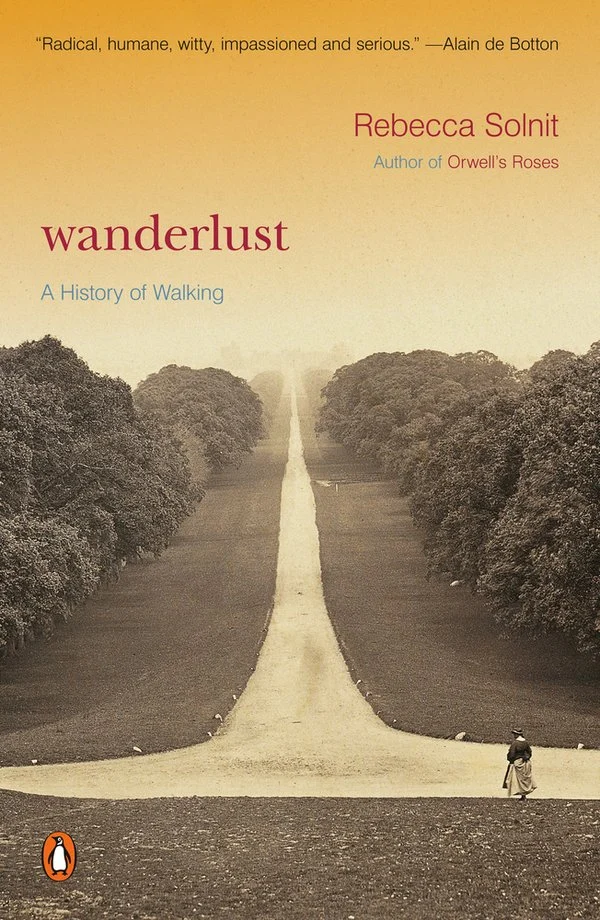
Rebecca Solnit
Walking as a subject with a history, which nobody had really tried before. Solnit runs from bipedalism through the peripatetic philosophers, the invention of the country walk as recreation, Wordsworth and the Romantics, pilgrimage, the labyrinth, mountaineering, the flâneur, protest…
No. 0438
Book · No fixed address
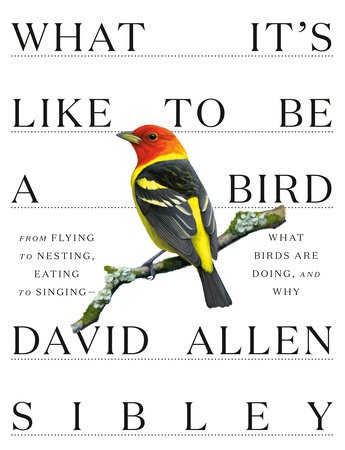
David Allen Sibley
Sibley drew the definitive field guides, and this is the opposite of a field guide: A big book of large paintings with the answers to the questions people actually ask. Why do birds stand on one leg. How they sleep…
No. 0437
Book · No fixed address
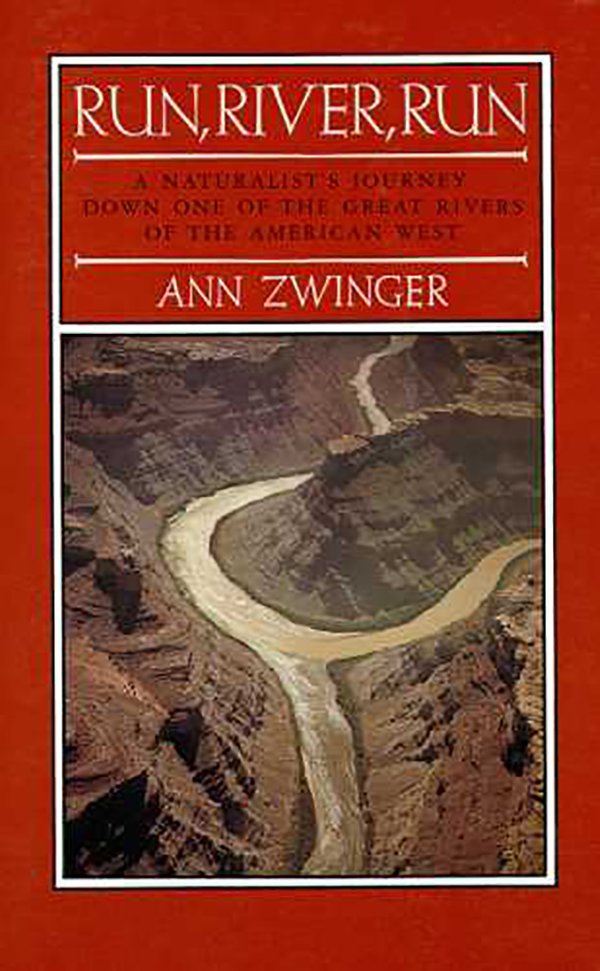
Ann Zwinger
Ann Zwinger ran the Green River from its source in the Wind River Range down to its confluence with the Colorado — by kayak, raft, and on foot — and wrote the whole river as a naturalist. Geology of the…
No. 0436
Book · No fixed address
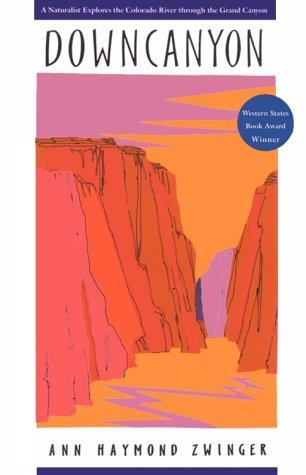
Ann Zwinger
Zwinger went down the Colorado through the Grand Canyon over and over, in every season and just about every kind of boat, usually tagging along with scientists doing river studies. She calls herself an observer at the river’s brim, and…
No. 0435
Book · No fixed address
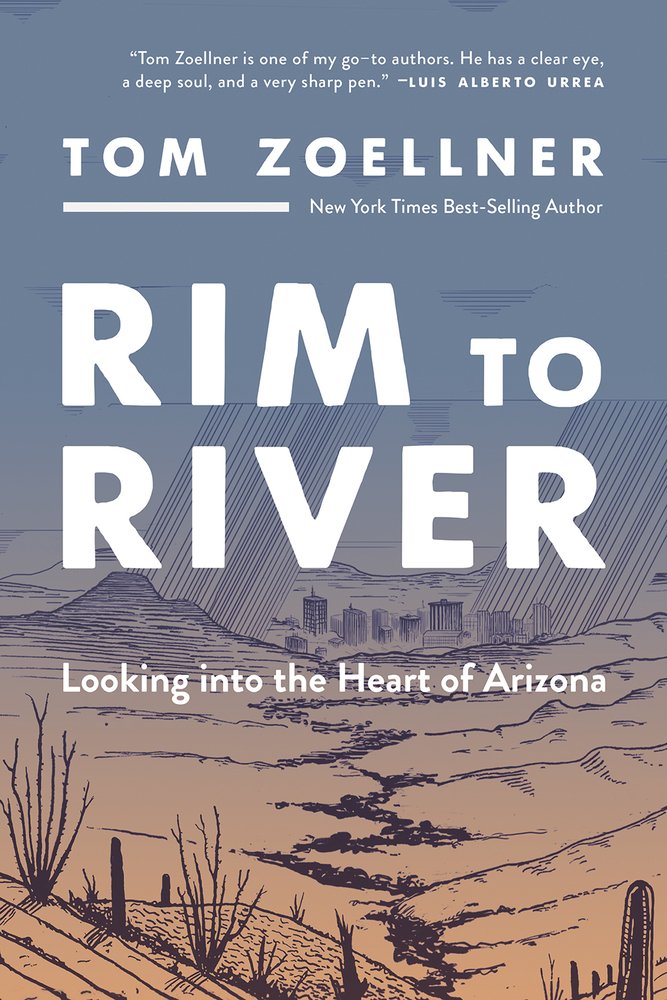
Tom Zoellner
Zoellner walked eight hundred miles across Arizona, roughly the diagonal, and used the walk to work through the state he grew up in. Chapters alternate between the trail — heat, water, private land, dogs, the people who pick up a…
No. 0434
Book · No fixed address
Tyson Yunkaporta
Yunkaporta is an Apalech man from far north Queensland and an academic, and the book asks what Indigenous thinking has to say about global systems — not as culture but as method. Each chapter starts with a symbol he carves…

No. 0433
Book · No fixed address
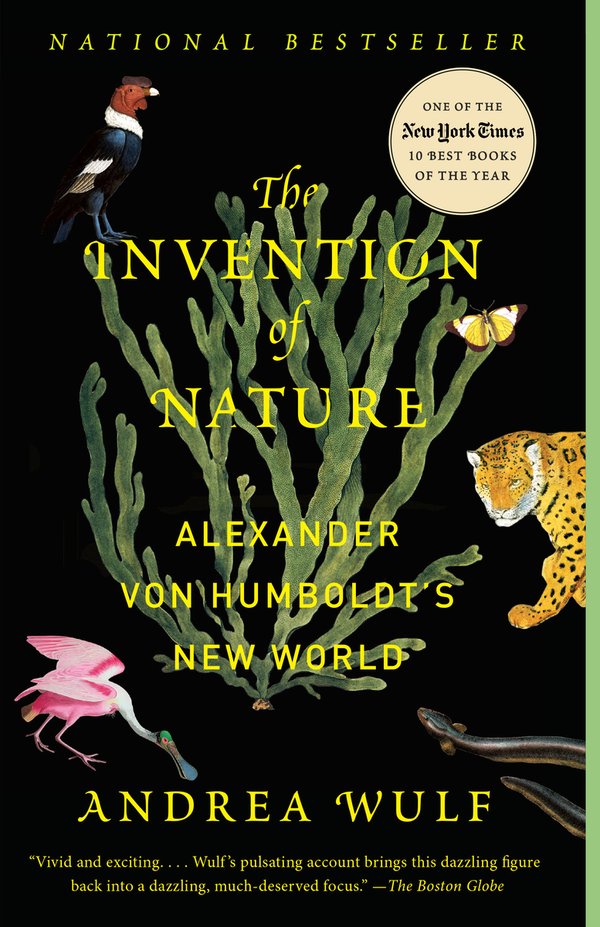
Andrea Wulf
Alexander von Humboldt was the most famous scientist in the world in his lifetime and is now mostly a list of place names. Wulf brings him back: Five years in South America, climbing Chimborazo higher than anyone had gone, and…
No. 0432
Book · No fixed address
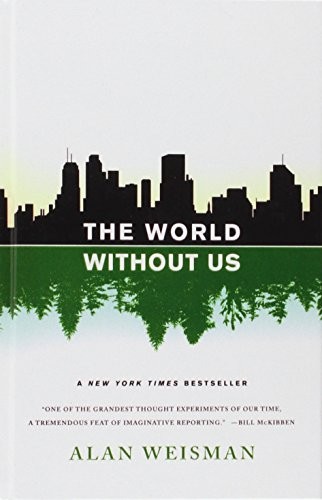
Alan Weisman
Weisman asks what happens if every human disappears tomorrow, and reports it out with the engineers and biologists who know. New York floods in two days once the pumps stop; the subways go first, then the streets collapse into rivers.…
No. 0431
Book · No fixed address
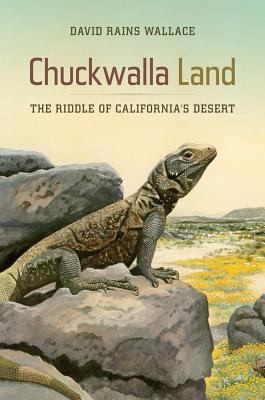
David Rains Wallace
Here’s the riddle: Nobody can say how old the California desert actually is, or where its plants and animals came from. Creosote, ocotillo, cactus, the chuckwalla itself — did they evolve out there over tens of millions of years, or…
No. 0430
Book · No fixed address
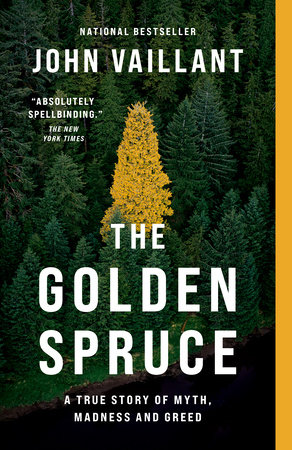
John Vaillant
A three-hundred-year-old Sitka spruce on Haida Gwaii with a genetic mutation that made its needles gold — a tree sacred to the Haida, protected in a small reserve, and a tourist attraction. In 1997, a former logging engineer named Grant…
No. 0429
Book · No fixed address
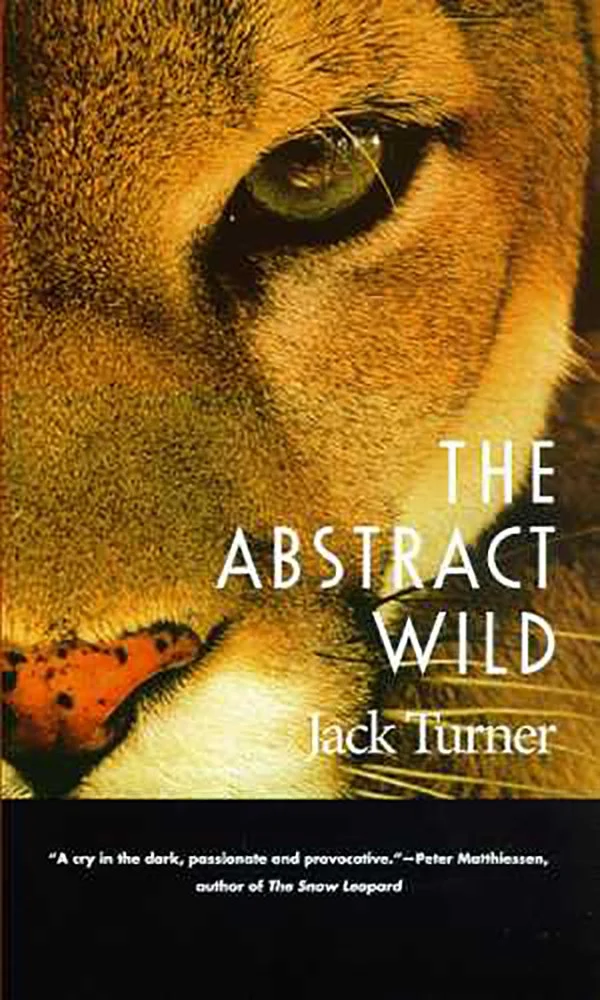
Jack Turner
Turner spent decades guiding in the Tetons and this strident book stems directly from it. His argument is that we’ve replaced actual wild experience with representations of it — nature documentaries, photographs, managed parks, permits, interpretive signs — and that…
No. 0428
Book · No fixed address
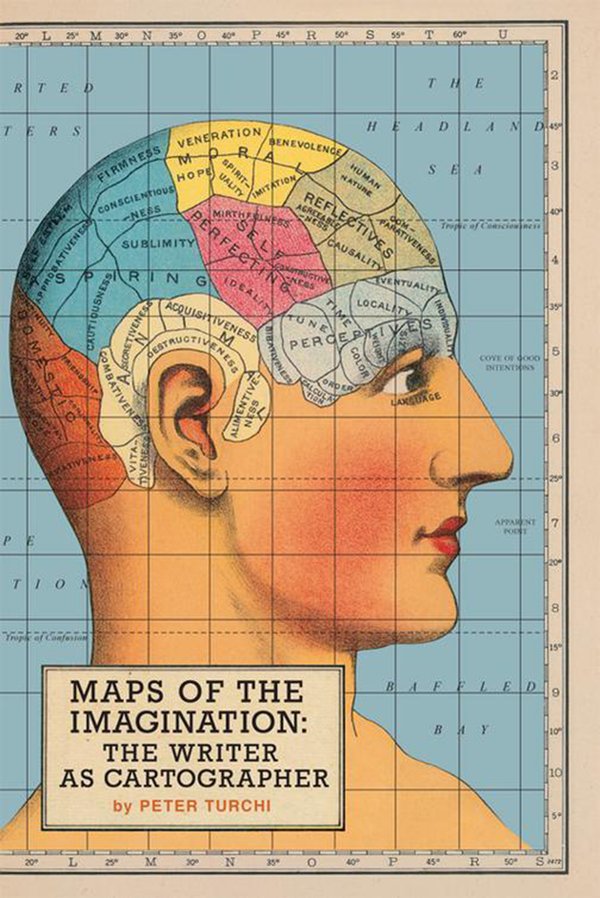
Peter Turchi
Turchi’s premise is that a writer is a cartographer — you decide what to include, what scale to work at, where to put the edges, and how much blank space to leave for the reader. He runs it through actual…
No. 0427
Book · No fixed address
Rebecca Solnit
Solnit built this out of nine essays circling a single idea, which she takes from a line she found in Meno: How do you go looking for something when you don’t know what it is? Four of the nine are…
